


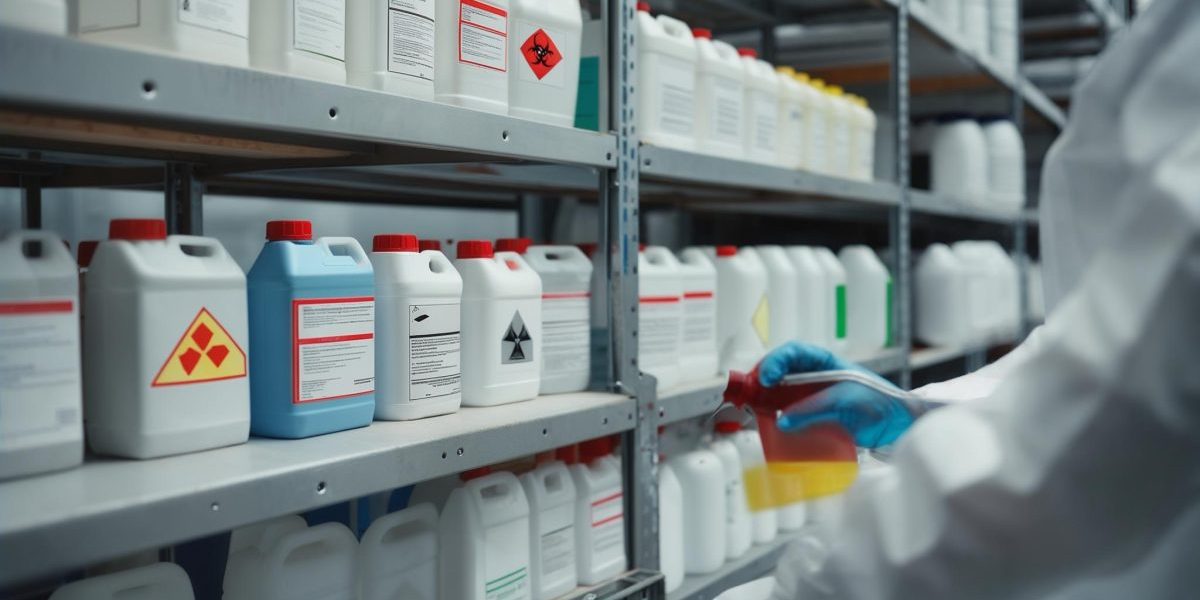
Storage Techniques for Chemicals and Hazardous Products
The storage of chemicals and hazardous products is a critical issue that cannot be overlooked. Every year, thousands of tonnes of these materials are stored in a variety of facilities, but how they are handled and stored can make the difference between safety and disaster. However, the way they are handled and stored can make the difference between safety and disaster. How can we ensure that these products are stored safely and efficiently? Let's explore some effective storage.
Classification of Chemicals
Before storing any chemical product, it is essential to classify it properly. Chemical products are divided into various categories according to their hazardousness: flammable, corrosive, toxic, among others. This classification makes it possible to determine the necessary conditions for their storage. For example, flammable products should be stored in well-ventilated areas and away from sources of ignition.
Labelling and Signage
Product labelling is essential. Each container should have a clear label indicating its contents and associated hazards. In addition, signage in storage areas is vital to inform workers about hazards. This simple step helps prevent accidents and facilitates quick identification in case of emergency.
Warehouse Design
The design of the storage area plays a crucial role in safety. It is advisable to use specific shelves and containers that can withstand the weight and properties of the chemicals. It is also important that there is sufficient space for workers to manoeuvre safely. The installation of adequate ventilation systems helps to reduce the risk of accumulation of harmful vapours.
Temperature and Humidity Control
Temperature and humidity are factors that can affect the stability of chemicals. Maintaining tight control over these parameters is essential. In some cases, it may be necessary to use cooling or heating systems to ensure that products are kept in optimal conditions. This attention to detail can prevent dangerous reactions.
Staff Training
Staff working in the warehouse should receive regular training on the handling and storage of chemicals. Proper training includes the use of personal protective equipment and emergency procedures. In addition, the importance of qualified personnel cannot be underestimated. Having a well-trained team significantly reduces the risk of accidents.
Emergency Plan
Every chemical store should have a well-defined emergency plan. This plan should include clear procedures for evacuation, spill containment and communication with emergency services. Conducting emergency drills is a good practice that helps staff to be prepared for any eventuality.
Storage of Dangerous Goods
The storage of dangerous goods requires special attention. It is advisable to keep these goods separate from other products to avoid unexpected chemical reactions. Using compliant safety containers is standard practice to minimise risks. In addition, it is crucial to keep a record of the quantities and types of products stored.
Handling and Transport
The handling and transport of hazardous chemicals must be carried out under strict regulations. Using suitable vehicles and trained personnel ensures that the goods reach their destination safely. The barge and boat services can also be used for the transport of these products, especially in maritime operations.
Regulatory Considerations
Compliance with local and international standards and regulations is essential in the storage of chemicals. These rules are designed to protect both workers and the environment. Failure to comply can result not only in penalties, but also in serious safety consequences.
Safety and Pollution Prevention
Safety is a cornerstone of chemical storage. Implementing pollution barriers is an effective measure to prevent spills and leaks. Barriers can be physical or chemical and should be part of the warehouse risk management plan. This not only helps to protect the environment, but also reinforces our social responsibility.
The storage of chemical and hazardous products is an issue that requires attention and care. At Cemesa, we understand the importance of applying effective and safe techniques in the management of these products. Our commitment to safety and efficiency positions us as a benchmark in the sector, ensuring that each operation is carried out with the highest standards of quality and regulatory compliance.